


All sales are final. This item is NONREFUNDABLE. For more info check our Return Policy

Roberto Cavalli: The Painted Years
A collection lost in time. Hand-painted and printed suede from the 1970s, on view for the first time during New York Fashion Week.
Where it began
Experimental, free-spirited and true. He was playing — exploring his own artistic medium — and the result is astounding.
Decades before the leopard prints and the red-carpet glamour that would come to define his name, a painter from Florence worked out how to print and paint directly onto leather and suede, patented it, and licensed the technique to Hermès and Pierre Cardin. He showed at the Sala Bianca. Brigitte Bardot wore his work, uncredited. His grandfather painted with the Macchiaioli.
An intersection of art, fashion and invention — and a softer, more experimental and artful side of Roberto Cavalli, one that remains largely unknown to the fashion world today.
The work
He painted suede by hand, and devised a technique for printing onto leather and suede that no one had used before. He patented it. Hermès and Pierre Cardin licensed it.
A single piece can carry hand-painting and printed motifs together. Florals and paisley, a lotus border across the shoulders, a peacock worked down a back.
No two pieces are identical, and one design language runs throughout — the enamel flower snaps, the brown leather tags.
In his own words
“Few know that I am the creator and initiator of these leather printing techniques.”
Roberto Cavalli
The collection
Pieces labelled Roberto Cavalli and Roberto Cavalli for Crissa — a collaboration released simultaneously, in highly limited quantities.
Fran Ornstein came by the pieces when they were released — her mother was president at Crissa. She wore them, and kept them, for more than five decades. It is the industry that never knew they existed.
“I always felt amazing in them. I knew the chance was slim that anyone else was going to appear in them. In a time of people going out in costumes I guess these were my go-to’s.”Fran Ornstein
Through research we believe this is a significant part of fashion history, and a chapter the designer was proud of, that the world should see.
The full story will be released and the collection documented. Follow along on Instagram for updates.
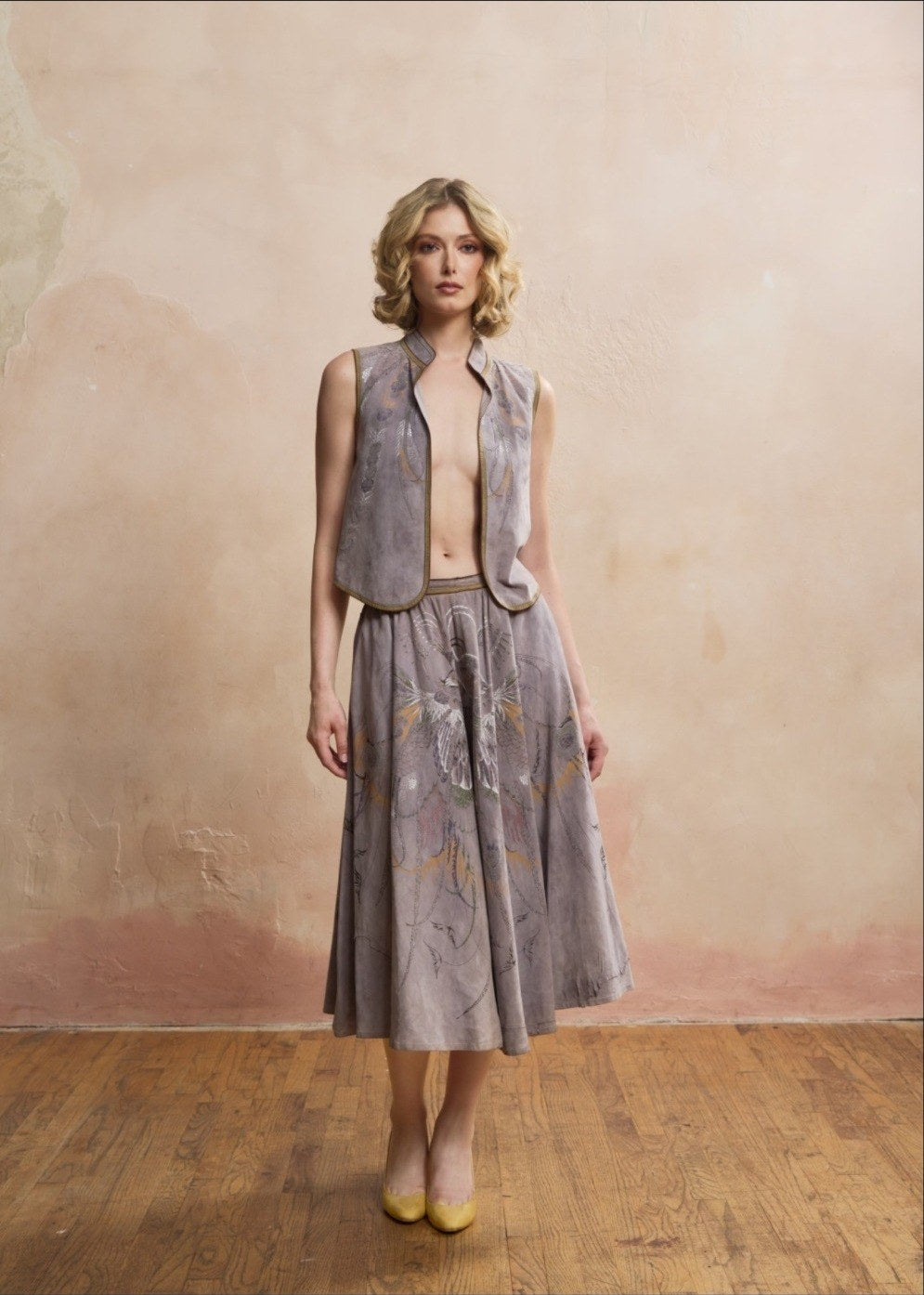
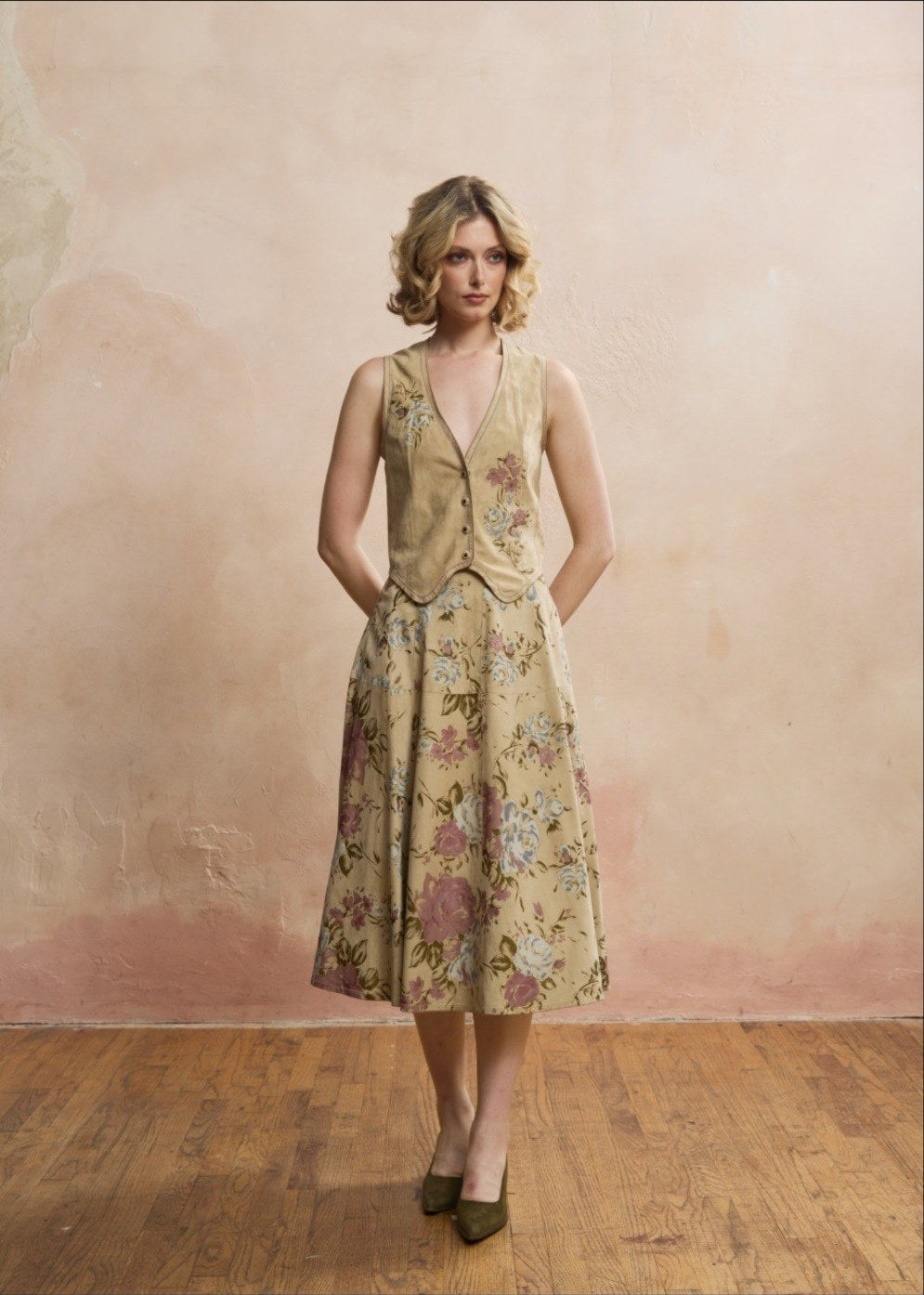
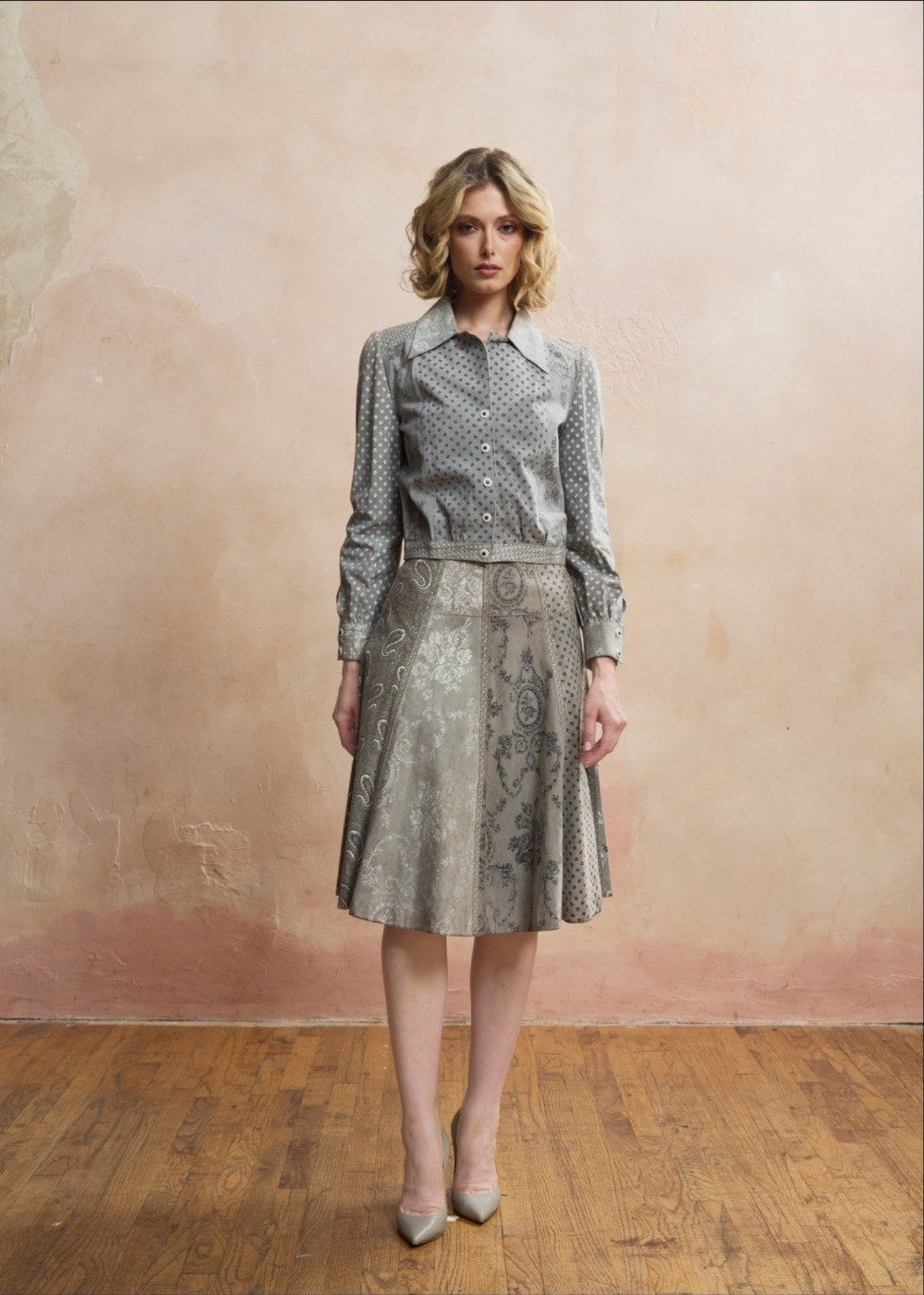
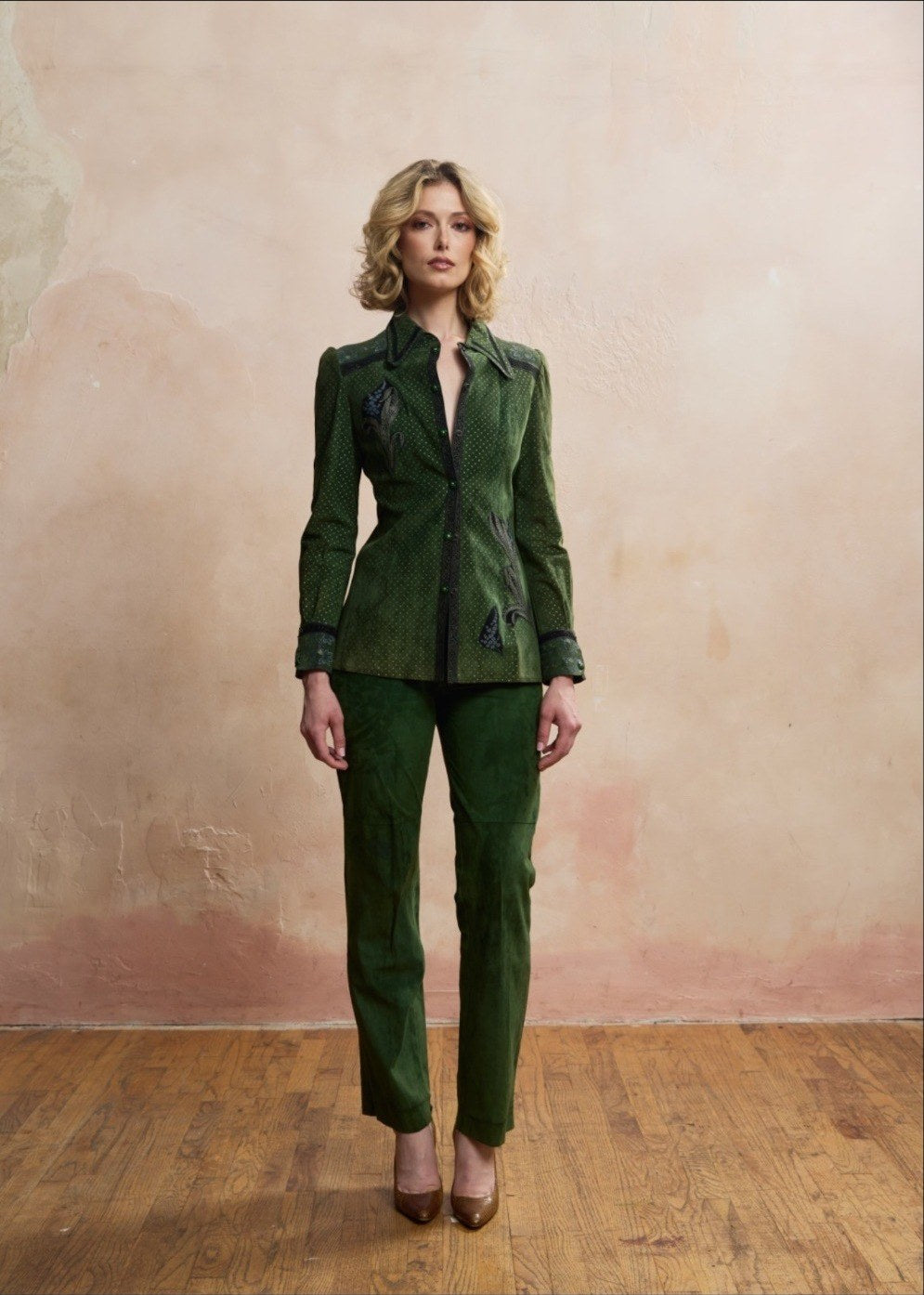
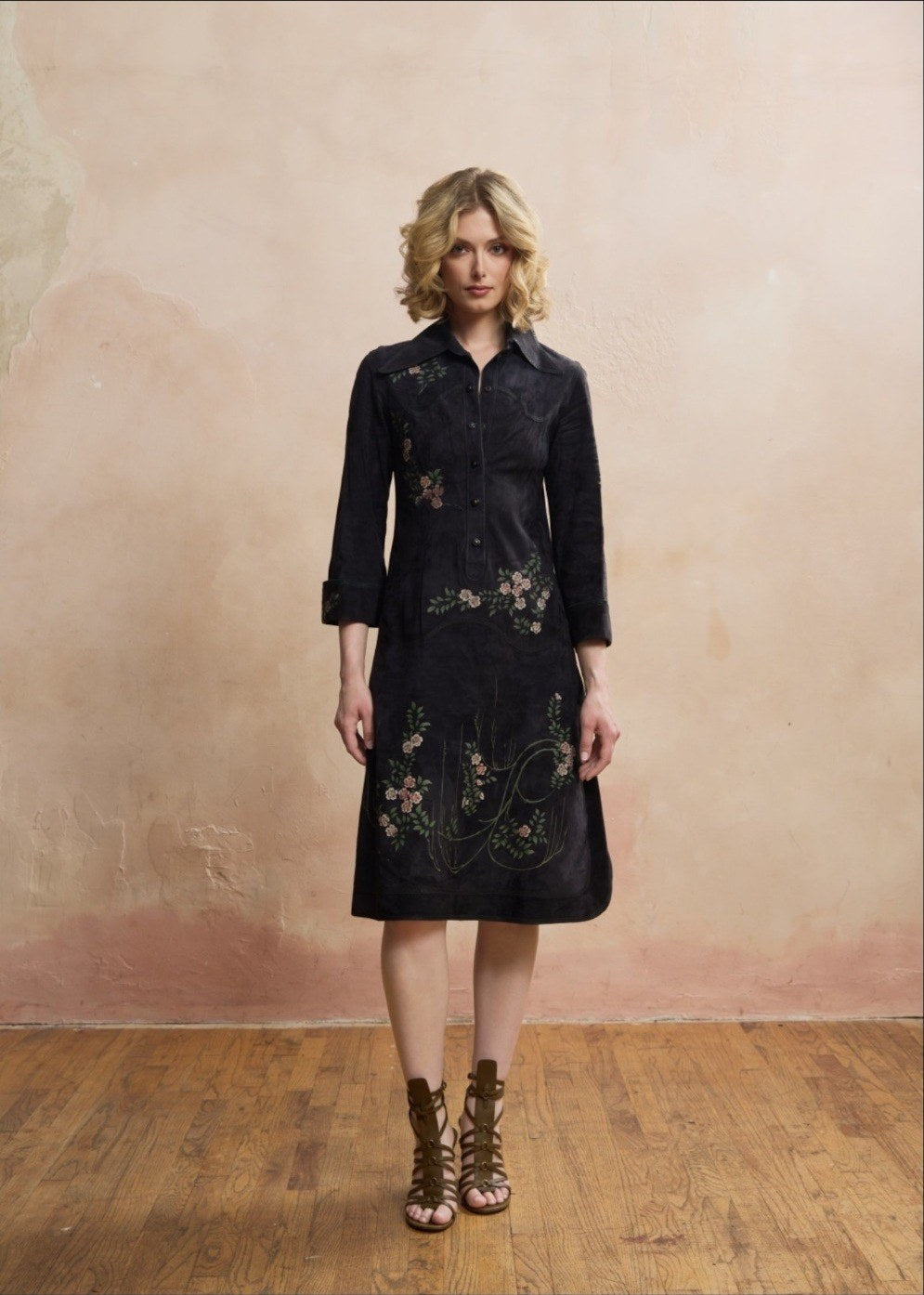
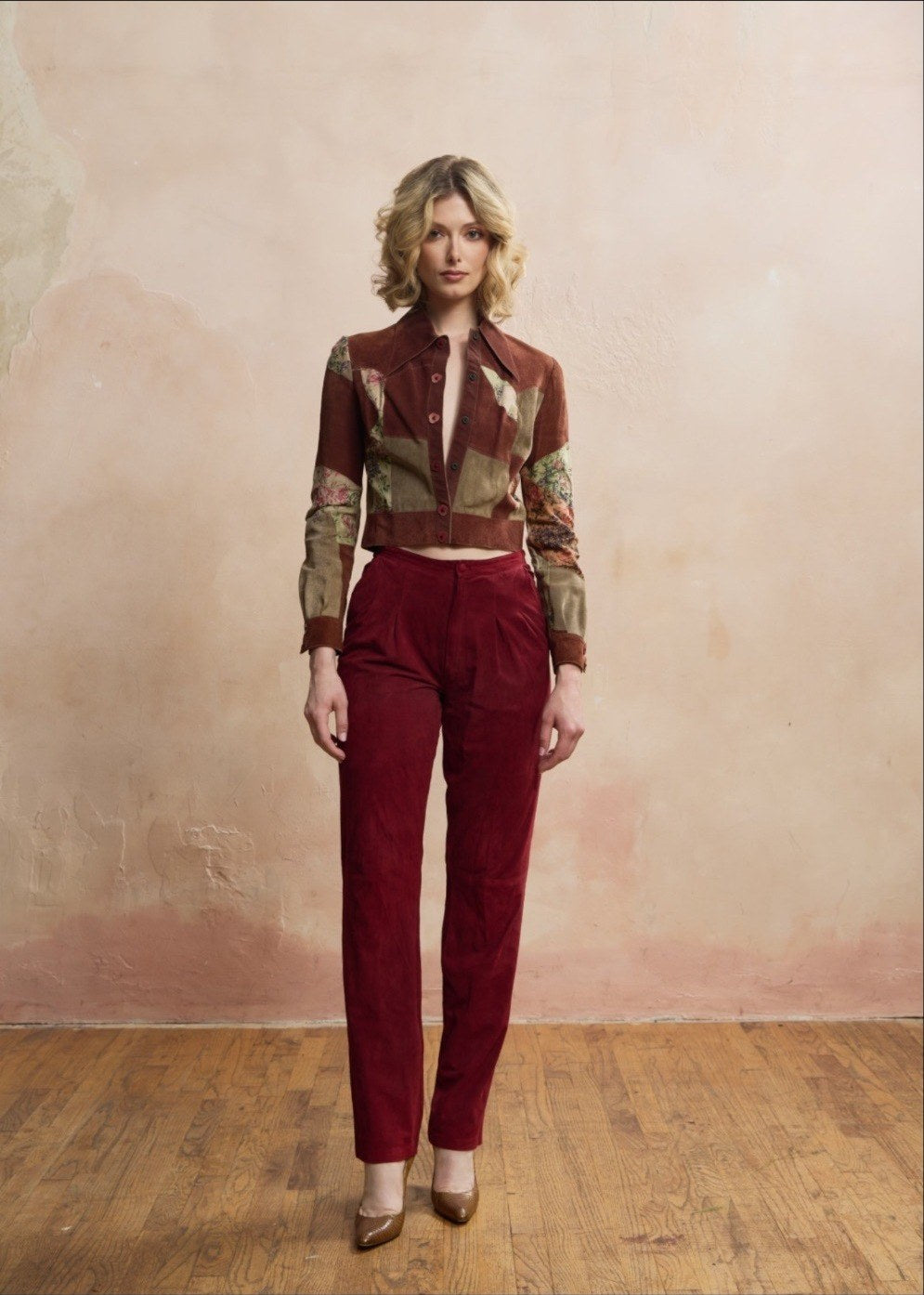
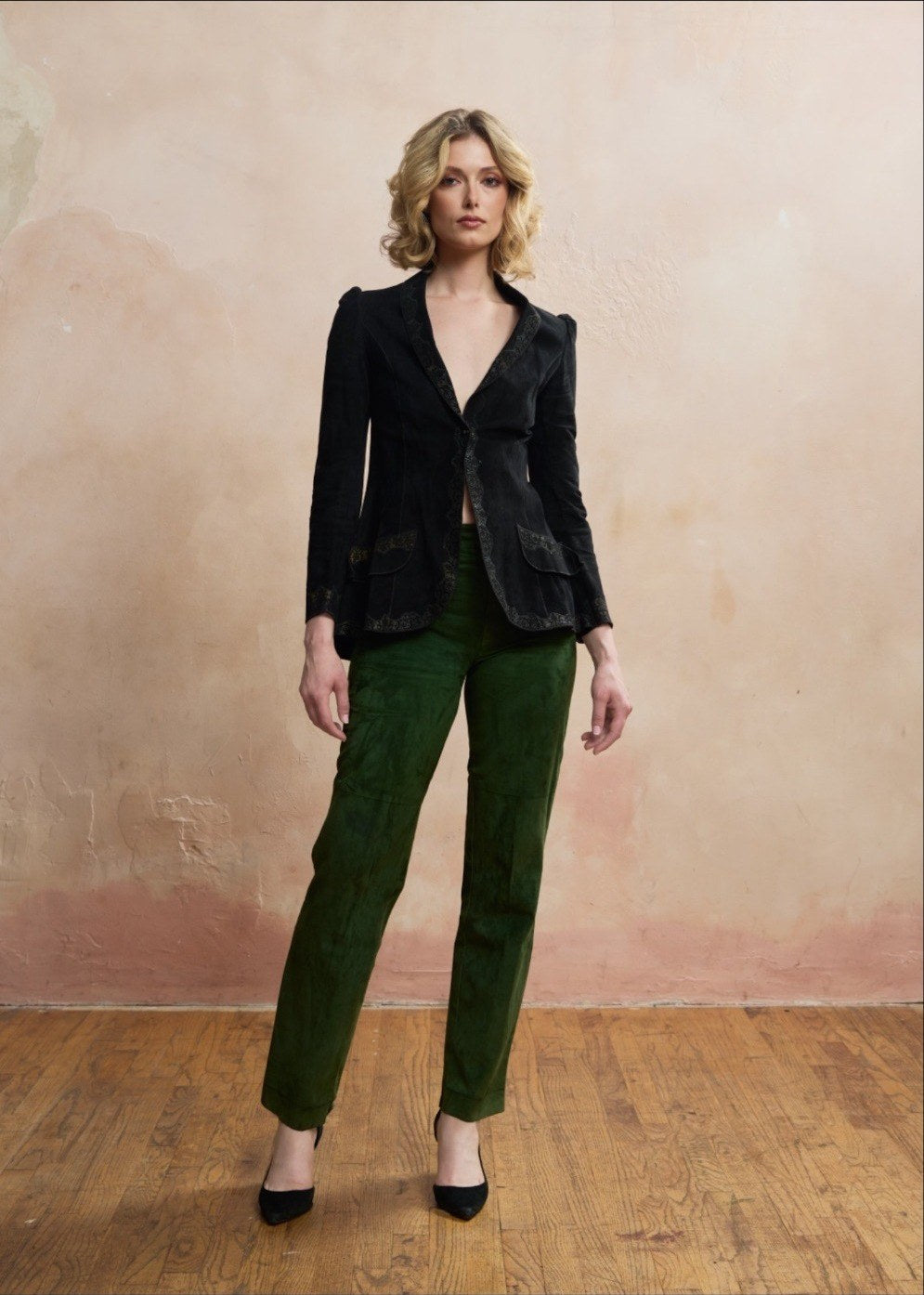
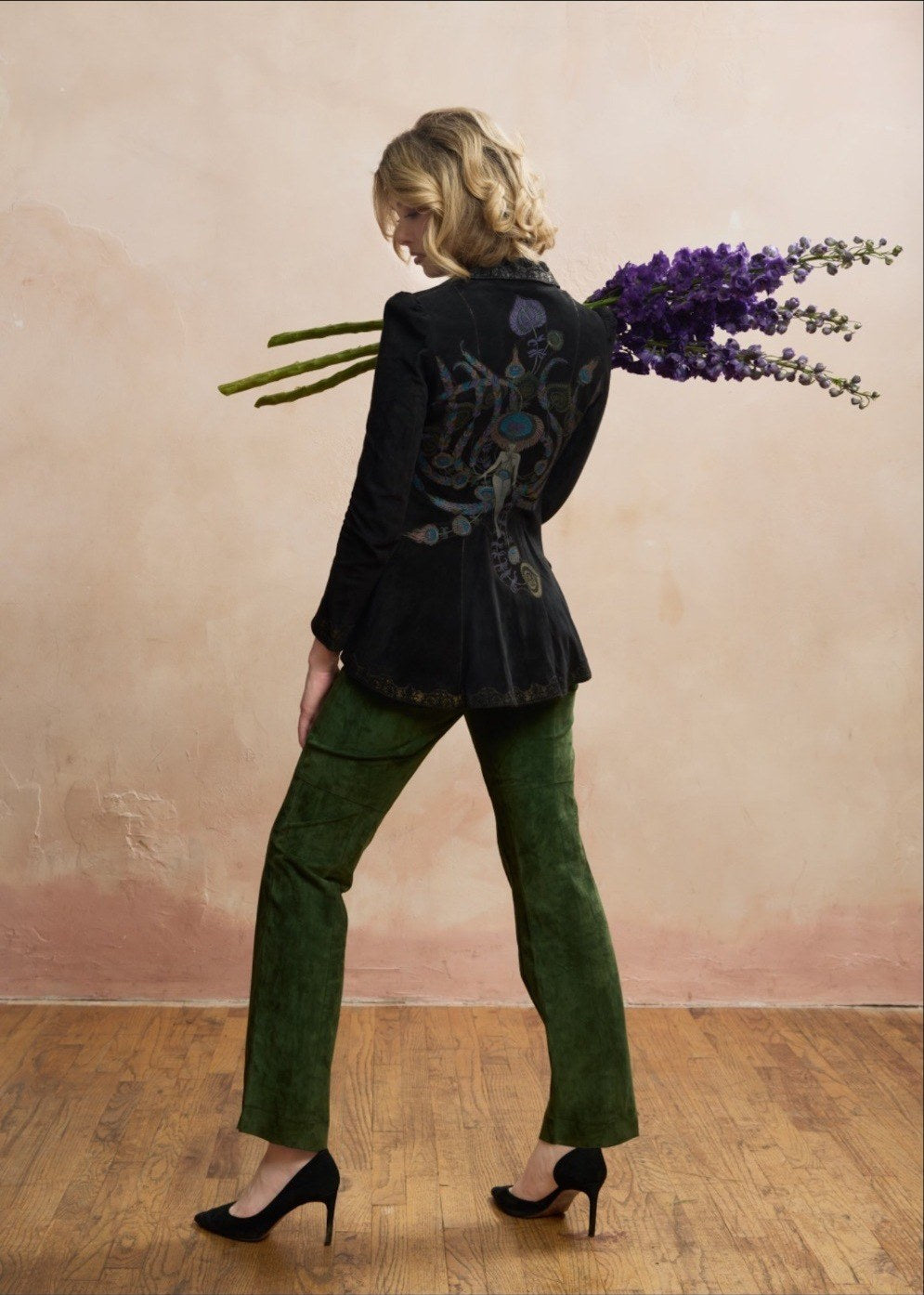
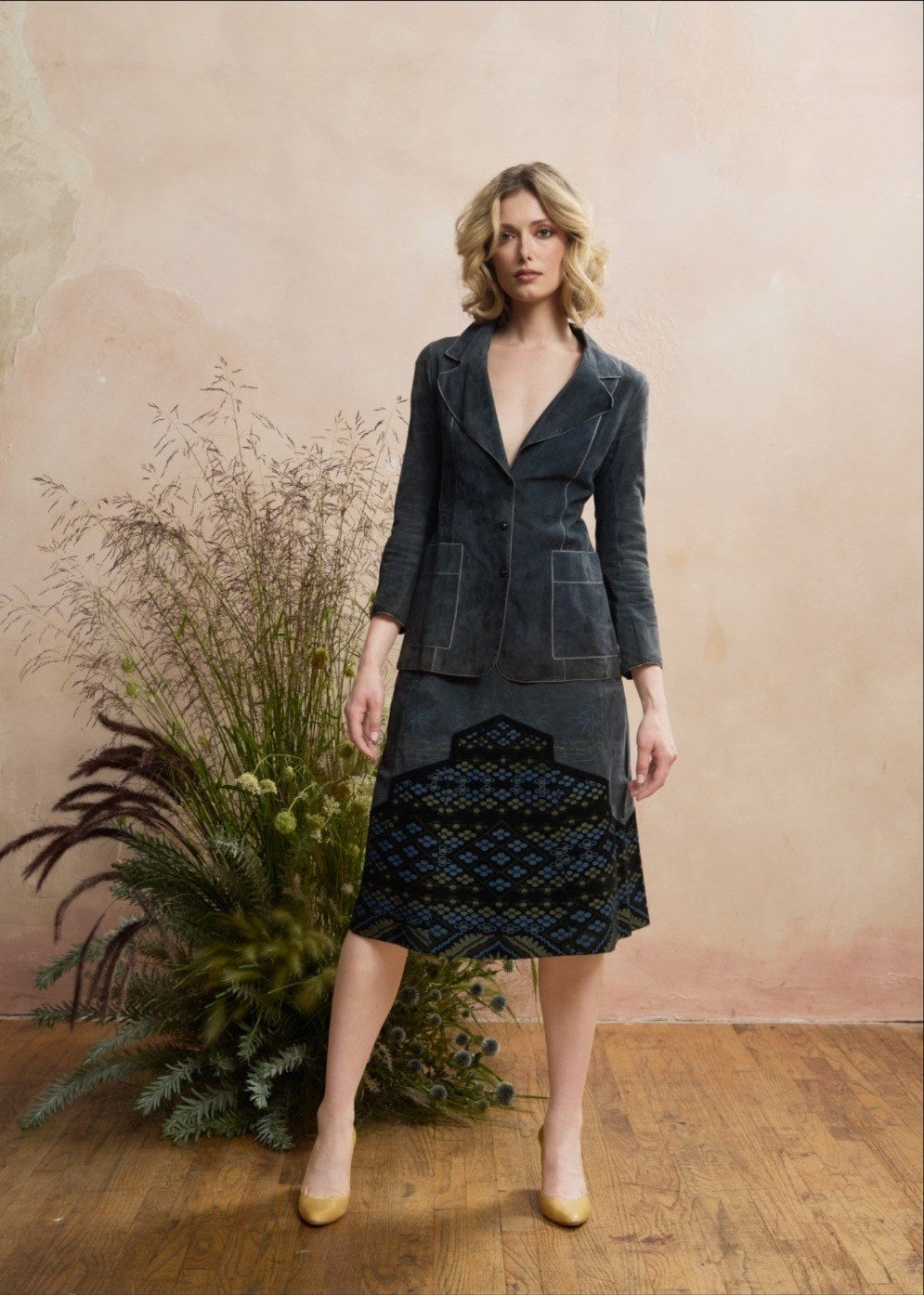
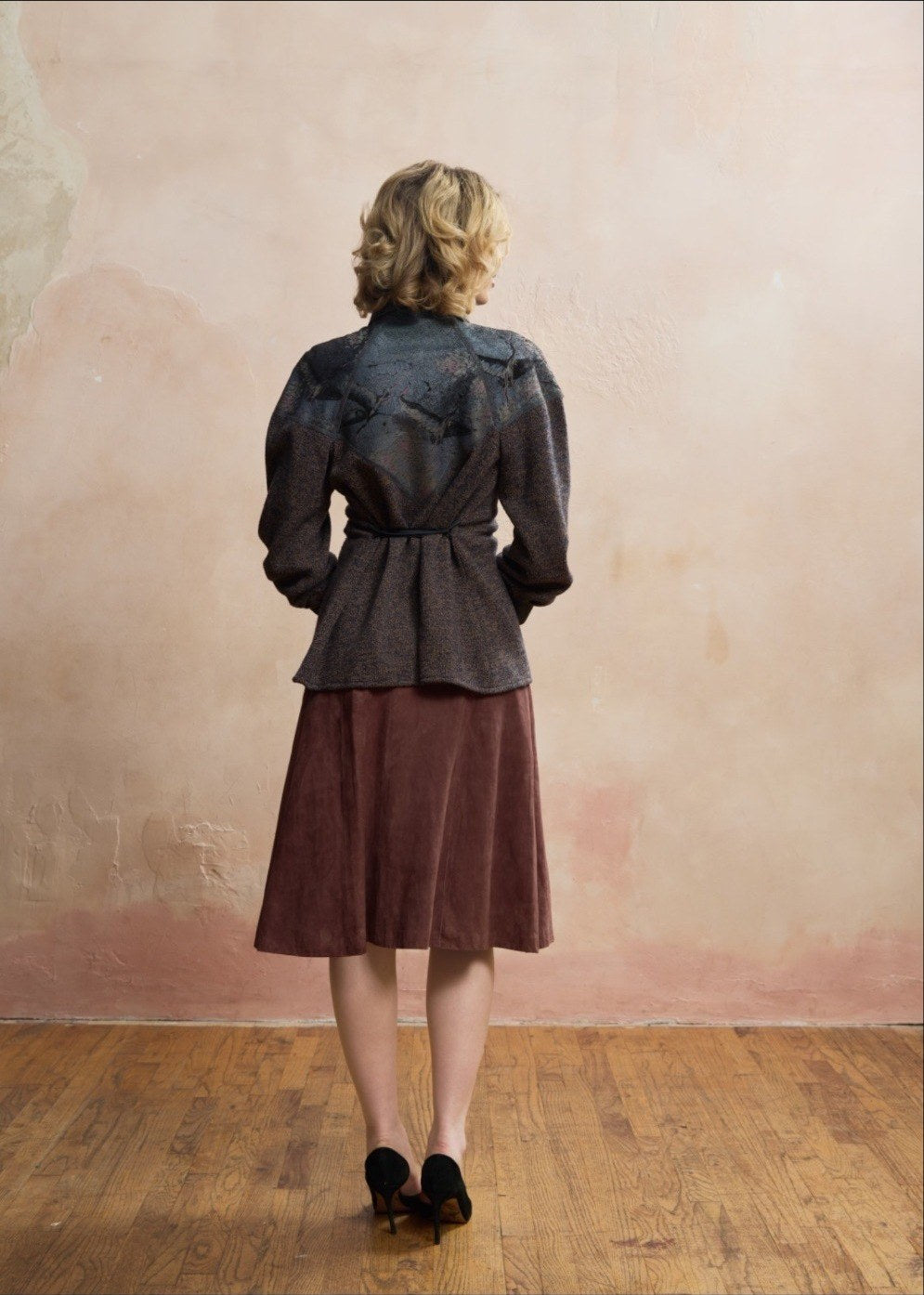
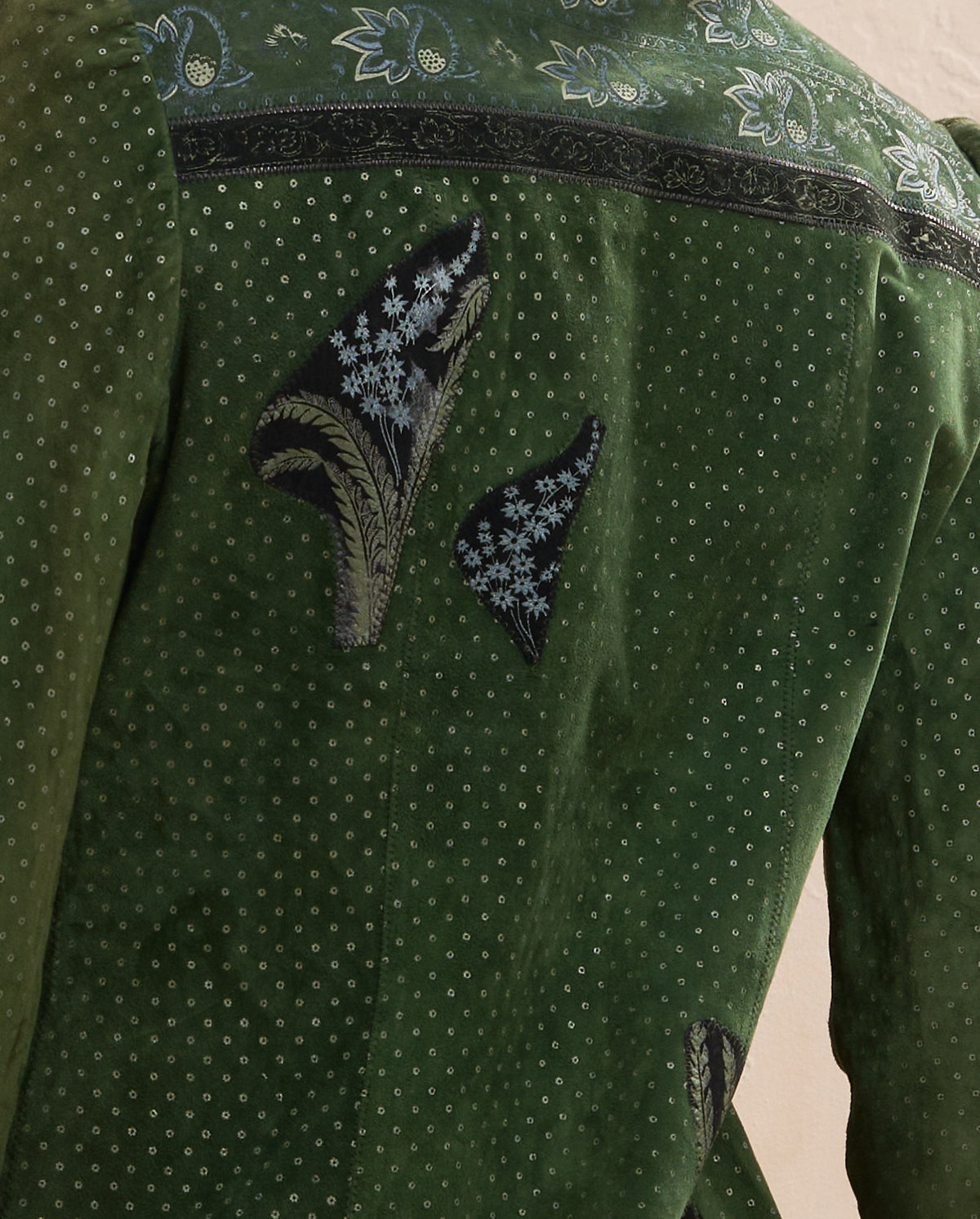
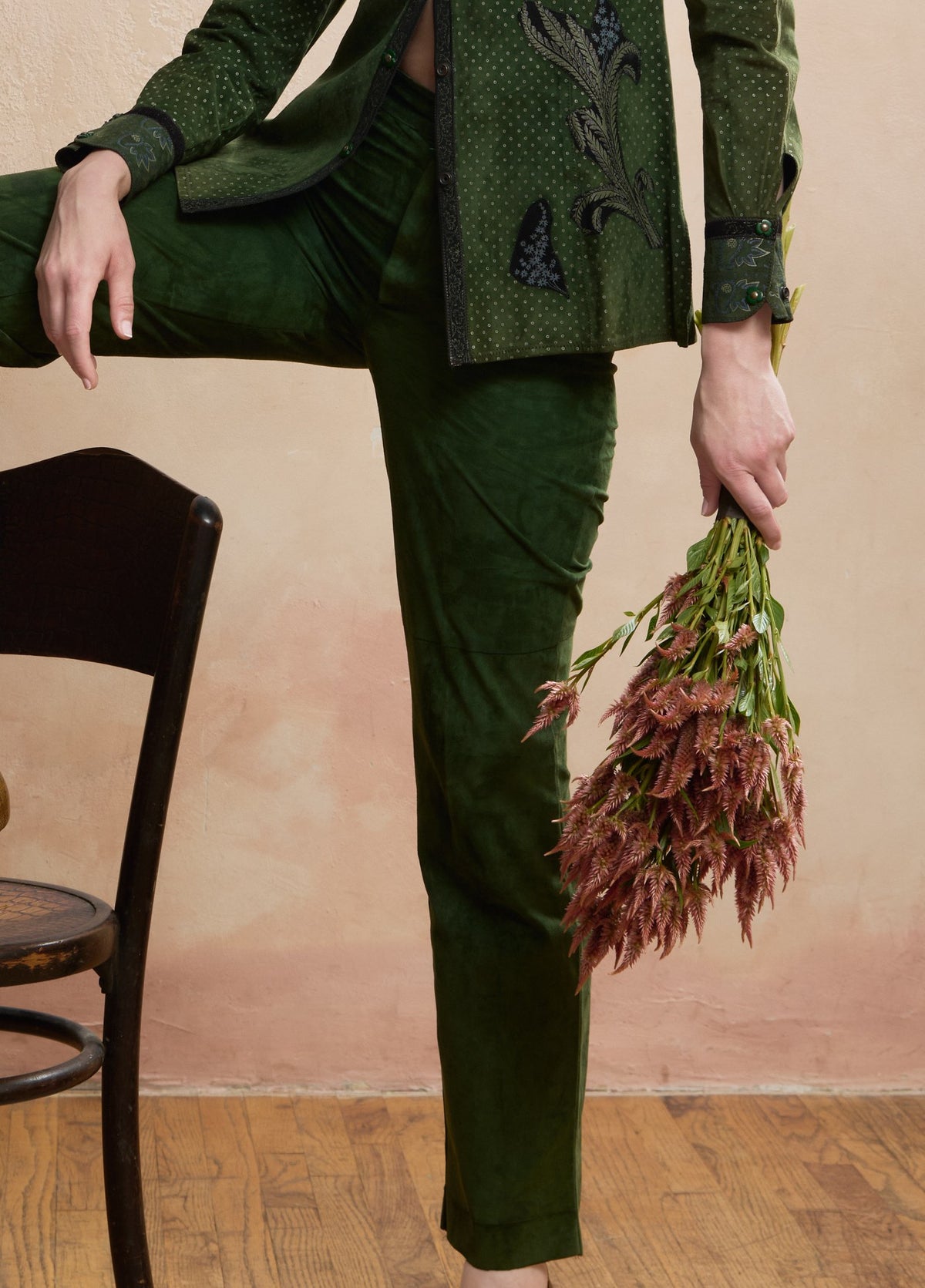
Photography + creative visual collaboration — Anne-Marie Mueschke
The exhibition
On view at our independent archival fashion and editorial floral studio in NoMad, for the duration of the week.
We invite collectors, educators and students, media, stylists and industry professionals to request an appointment.
Appointments
Enquiries
Nothing will be sold until the exhibition has closed.
Offers on the collection in full are encouraged. Individual pieces and sets will be considered.
Past perfect. Present ready.

